

Architecture & Design
Duplexes and triplexes: historic homes, shared.
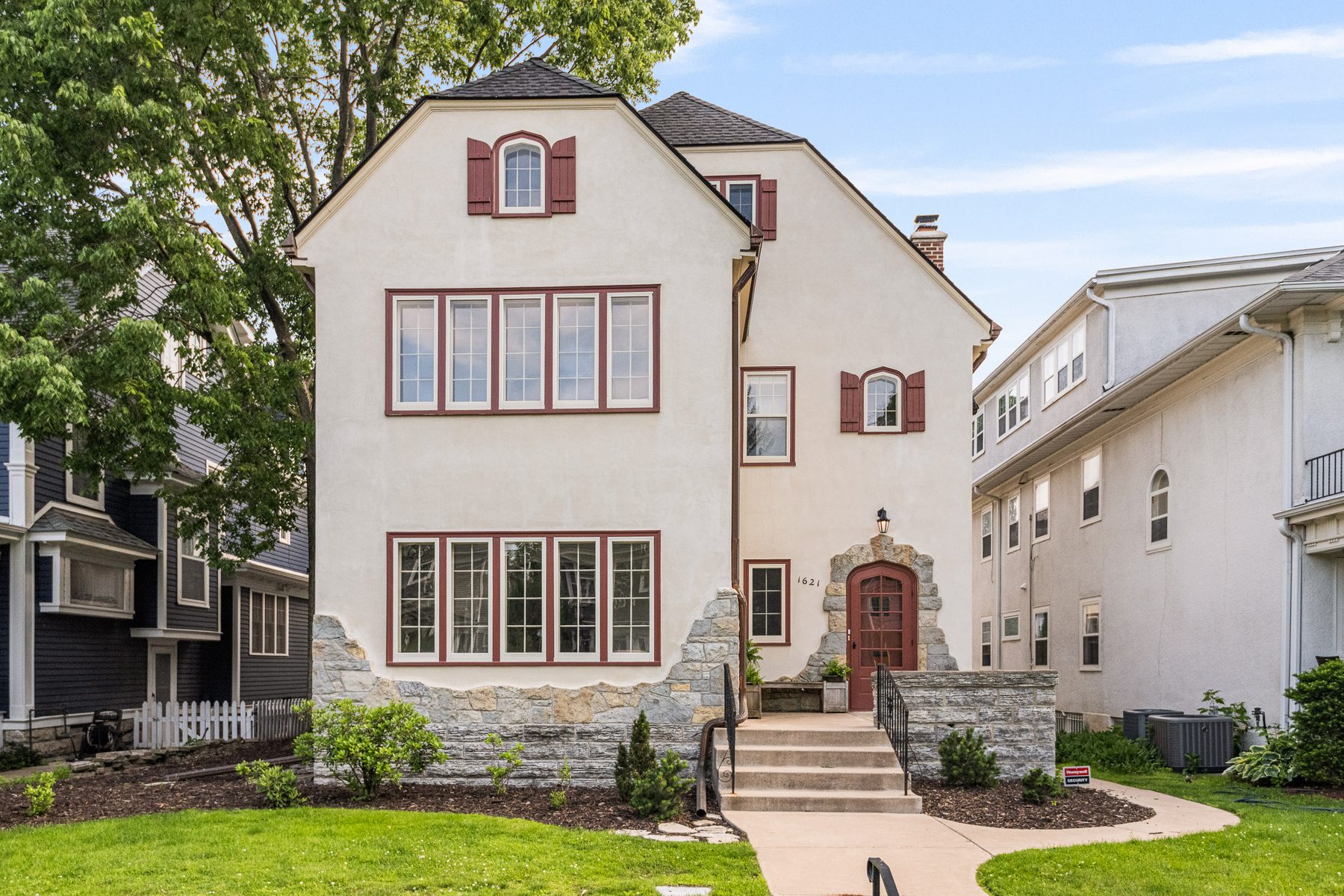
Century-old craftsmanship in the Twin Cities’ most walkable neighborhoods, with rent from the other units helping to carry the house.
A guide
Most of the duplexes and triplexes we sell go to people who plan to live in them. It’s one of the best-kept secrets of living in the Twin Cities: a historic home on a beautiful urban block, for less than a single-family house nearby would cost to carry.
Most of them are historic beauties
The majority of the Twin Cities’ duplexes and triplexes were built in the late 1800s and early 1900s, as streetcar lines pushed out from the downtowns and new neighborhoods filled in along them. Builders put up two- and three-unit homes on the same blocks as single-family houses, with the same care: oak and maple woodwork, built-in buffets and bookcases, leaded glass, plaster walls, front porches and generous windows. Many are up-and-down duplexes, one full flat stacked over another, each with its own entry; others are side-by-side, or a grand single-family home divided long ago.
Because they came with the streetcars, they sit where the cities are at their most walkable: near the lakes and parkways, on tree-lined streets, a few blocks from neighborhood shops and restaurants.
A better neighborhood for less
When you live in one unit, the rent from the other (or others) helps pay the mortgage, taxes and upkeep. For many owners, that’s what makes a historic home in a neighborhood like East Isles, Lowry Hill East, Linden Hills or Mac-Groveland possible, at a lower monthly cost than a comparable single-family house on the same street.
Financing can be easier than people expect, too. Loans for owner-occupied two- to four-unit homes can require as little as 3.5% down (FHA) or 5% down (conventional), compared with 15% to 25% for an investment purchase, and lenders can count part of the expected rent toward qualifying. A lender can tell you exactly what applies to you; we can introduce you to ones who know these buildings well.
Ways to live in one
- Close to family, with your own front door. Two households under one roof, near enough for dinner and far enough for privacy.
- Scaling down without leaving the neighborhood. Live in one flat, rent the other, and keep the porch, the woodwork and the walk to the lake.
- Sharing a house with people you know. Co-owning with friends, or renting to neighbors you’ve chosen, builds the kind of community that’s hard to find in a single-family house.
- Room to grow into. Start in one unit and rent the other; later, take over more of the house, or convert it back to a single home where the city allows.
What’s different about buying or selling one
A duplex or triplex is a home and a small rental business at once, and the sale has to respect both:
- Leases and tenants. Existing leases usually transfer with the house, and showings need to work around the people who live there.
- Rent rolls and expenses. Buyers and lenders will want current rents, deposits, utility costs and records of repairs.
- Rental licensing and inspections. Minneapolis and St. Paul each have their own rental licensing rules and point-of-sale inspection requirements.
- Separate systems. Separate meters, heating, laundry and storage affect both value and day-to-day living.
- Telling the right story. We market these homes for their architecture and their neighborhood, to buyers who want to live in them, not only to investors running numbers.
From the Collection
Wilkin's Lake Place
A lakeside house saved from demolition in 1911, moved one block, and cared for ever since.
Thinking about a duplex or triplex?
Whether you’re buying your first or selling one you’ve loved, we’d like to hear what you have in mind.
Questions
Frequently asked
Can I buy a duplex or triplex as my primary home?
Yes. Most of the duplexes and triplexes we sell go to buyers who live in one unit. Owner-occupied loans for two- to four-unit homes can require as little as 3.5% down with FHA or 5% down with a conventional loan, and lenders can count part of the expected rent toward qualifying. A lender can confirm what applies to you.
Why are so many Twin Cities duplexes historic?
Most were built in the late 1800s and early 1900s as streetcar lines expanded, on the same blocks and with the same craftsmanship as single-family homes of the era: woodwork, built-ins, leaded glass and front porches.
Is a duplex less expensive to live in than a single-family home?
Often, yes. When you live in one unit, rent from the others helps cover the mortgage, taxes and upkeep, so many owners live in a walkable, historic neighborhood for a lower monthly cost than a comparable single-family house nearby.
What should I know about selling a duplex or triplex with tenants?
Existing leases usually transfer with the house, showings need to be coordinated with the people living there, and buyers will ask for rent rolls, expenses and rental license details. We handle all of it and market the home to buyers who want to live in it as well as to investors.
Does Quinby Partners specialize in duplexes and triplexes?
Yes. We sell historic duplexes and triplexes across Minneapolis and St. Paul, most often to owner-occupants, and we tell each building’s story the same way we would any home with character.
Coming in 2027
Original
A new publication from Quinby Partners
Stories of the Twin Cities’ enduring, character-driven homes: the original features that make them singular, and owners as unique as the homes they live in.